The accumulation of waste tyres has become a pressing environmental concern worldwide. Traditional disposal methods, including landfilling and incineration, pose severe ecological risks, from soil contamination to air pollution. Innovative technologies, particularly pyrolysis, have emerged as effective strategies for sustainable waste tyres management. A pyrolysis plant offers a practical solution by converting end-of-life tyres into valuable resources, thereby mitigating environmental hazards and generating economic benefits.
Transforming Waste Tyres through Pyrolysis
A tire pyrolysis plant operates on the principle of thermal decomposition in an oxygen-limited environment. By subjecting waste tyres to controlled high temperatures, complex hydrocarbon chains break down into simpler compounds, yielding pyrolysis oil, carbon black, and combustible gas. This process not only reduces the volume of hazardous waste but also enables the recovery of energy-dense products. Unlike traditional incineration, pyrolysis minimizes harmful emissions and allows for the efficient utilization of byproducts.
Continuous Tyre Pyrolysis Plant: Enhancing Efficiency
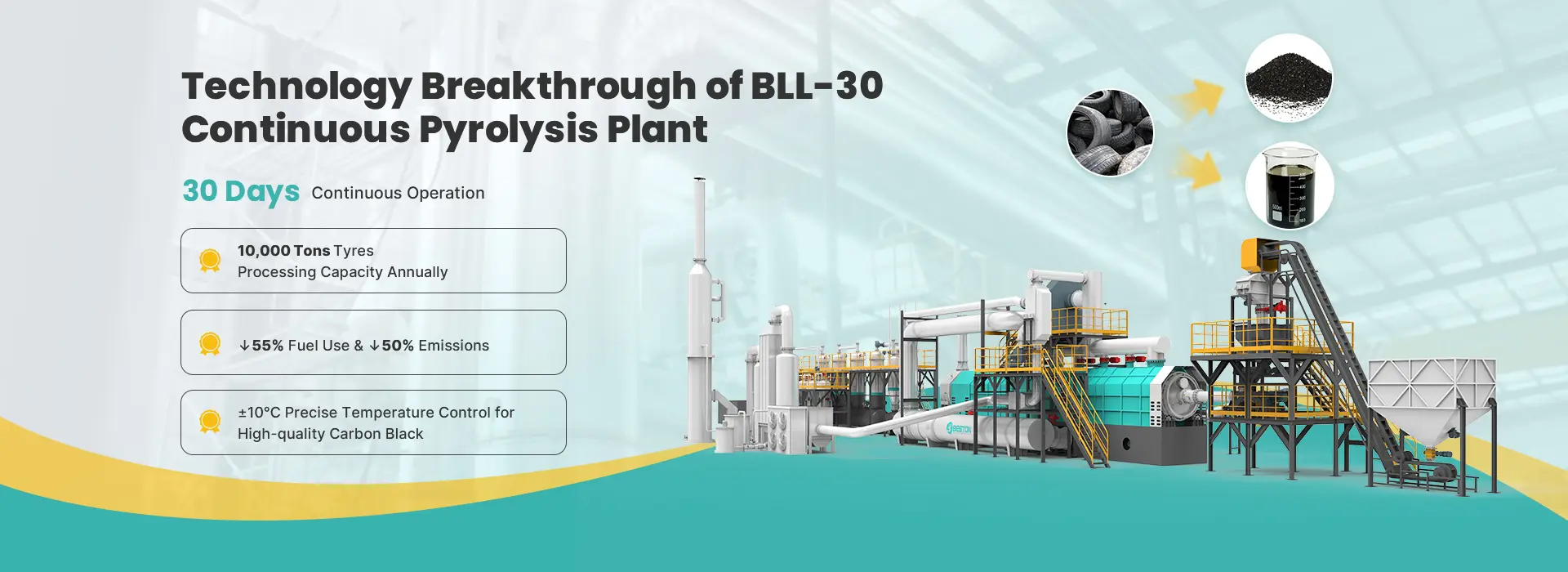
Continuous tyre pyrolysis plant designs have revolutionized tyre recycling by providing non-stop operation capabilities. Unlike batch systems, continuous plants maintain a steady feed and reaction cycle, significantly improving throughput and energy efficiency. This configuration allows operators to process large quantities of waste tyres with minimal downtime, optimizing the conversion rate of raw materials into valuable outputs. Furthermore, continuous systems integrate advanced automation, temperature monitoring, and emission control mechanisms, ensuring both operational safety and environmental compliance.
Tyre Oil Plant: Unlocking High-Value Outputs
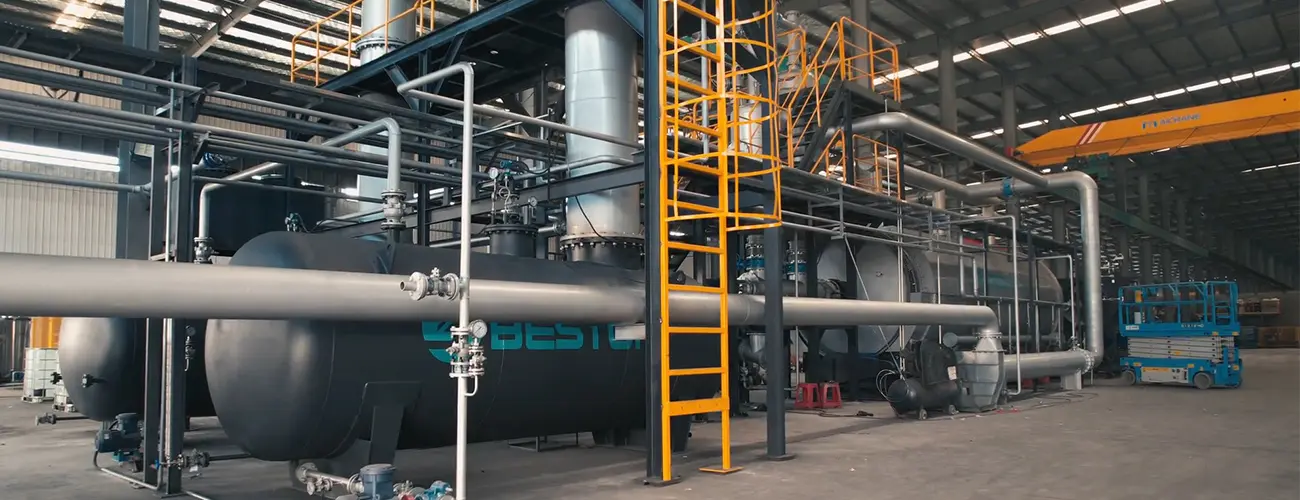
Among the products of pyrolysis, tyre oil remains a critical commodity with versatile applications. A dedicated tyre oil plant extracts liquid fuel that can serve as a substitute for diesel or heavy oil in industrial furnaces, power generation, and transportation. The quality and calorific value of pyrolysis oil depend on the operational parameters of the plant, including temperature regulation, residence time, and feedstock composition. By fine-tuning these variables, operators can achieve optimal energy recovery while maintaining product consistency.
Environmental and Economic Implications
Integrating pyrolysis technology into waste tyres management strategies yields significant environmental and economic advantages. On an ecological level, the process reduces landfill pressure, curtails open burning, and mitigates the release of toxic gases. Economically, pyrolysis plant transforms waste liabilities into revenue streams through the sale of tyre oil, carbon black, and combustible gas. Investors and municipalities alike benefit from reduced disposal costs and potential income from secondary markets.
Future Perspectives in Tyre Recycling
The evolution of pyrolysis technology continues to expand its potential in sustainable waste management. Emerging innovations in catalyst optimization, reactor design, and energy recovery promise to enhance conversion efficiency and reduce operational costs. As regulatory frameworks increasingly prioritize circular economy principles, tire pyrolysis plants and tyre oil plants are positioned as pivotal infrastructure for addressing the global tyre waste challenge.
By embracing pyrolysis solutions, industries can transform hazardous waste into energy and resources, achieving both environmental stewardship and economic resilience.